
Trust in EHS systems determines whether risks surface and decisions are made effectively. Learn how integrity drives real performance.
Category: Safety Culture
Is Your Safety Committee Effective?
Most organizations have a safety committee. Meetings are scheduled, agendas are reviewed, and minutes are recorded. Yet simply having a committee does not necessarily mean it is contributing meaningfully to safety performance. We’ve explored why many safety committees underperform and what high-performing committees tend to do differently. In a follow-up article, we also outlined eight…
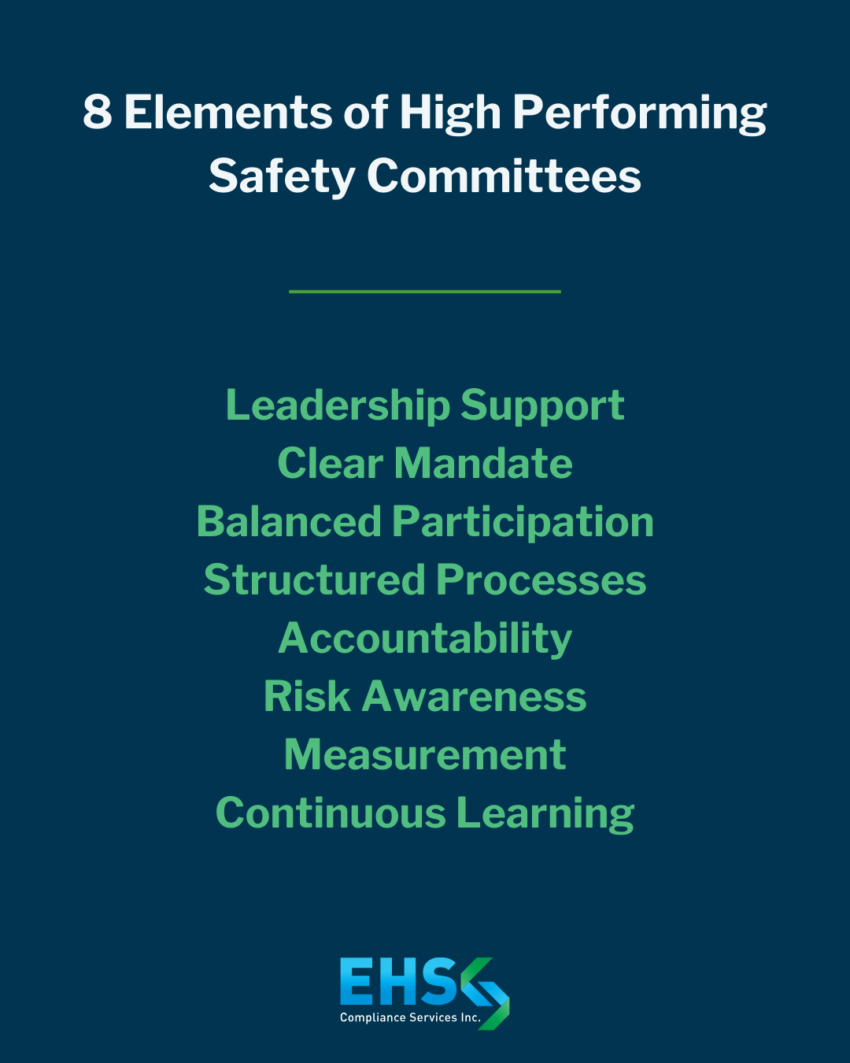
8 Elements of a High-Impact Safety Committee
In a previous article, we explored why many safety committees underperform and what high-performing ones do differently. This article builds on that discussion by outlining the elements that help safety committees move from routine meetings to meaningful impact. Most organizations have a safety committee. But relatively few have a committee that consistently drives meaningful improvements…

Why Most Safety Committees Underperform — and What High-Performing Ones Do Differently
Many organizations have a safety committee. Few have one that drives measurable impact. Committees are meant to be engines of safety leadership. Yet in many organizations, they function more like administrative review groups than strategic drivers. They meet. They review incidents. They document concerns. And then… not much changes. That’s not a commitment problem. It’s…
EHS Excellence: Why Executive Leaders Can’t Afford to Stop at Compliance
Most executive leaders understand that environmental, health, and safety (EHS) responsibilities come with the territory. But too often, those responsibilities are viewed narrowly, treated as a compliance obligation, not a business advantage. The reality? Compliance is the foundation while excellence is a differentiator and competitive advantage. What is EHS Excellence?EHS excellence means going beyond compliance…
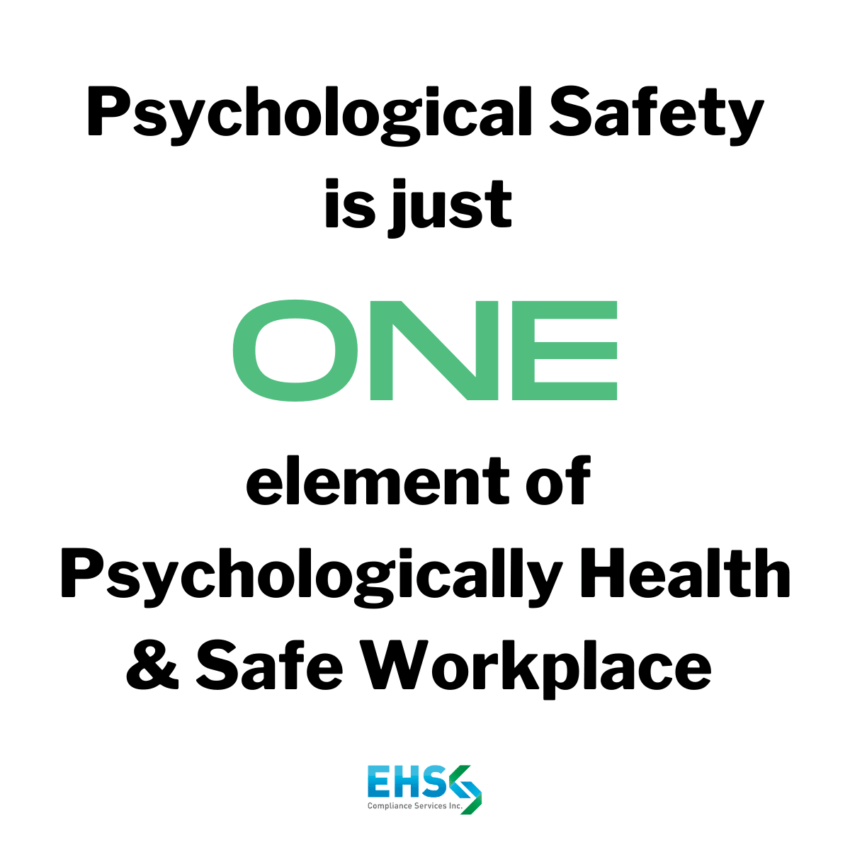
Psychological Safety ≠ Psychological Health and Safety: Why the Distinction Matters
In recent years, psychological safety has become a buzzword in leadership circles, team development, and workplace culture. But as important as it is, psychological safety is just one piece of a much larger puzzle. To truly protect and promote worker well-being, we must also understand and implement psychological health and safety (PHS). Understanding the Difference…
Is Your Organization Ready for Psychosocial Risk Management?
Psychosocial hazards are increasingly recognized as critical threats to employee well-being and organizational performance. But managing these risks effectively requires more than awareness. It demands a structured, strategic approach rooted in both science and organizational context. That’s where the 5i Psychological Health and Safety® (5iPHS®) Methodology comes in. Why Readiness Matters Recent research published in…
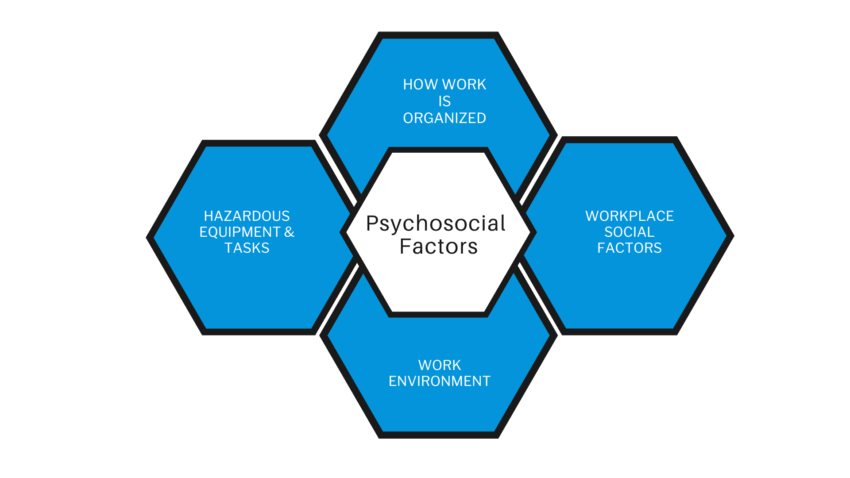
What Are Psychosocial Risk Factors?
Workplace safety extends beyond physical hazards of the workplace – while easy to see they are only a portion of the safety picture. Safety extends to encompass psychological factors that impact well-being of workers. Several standards and regulations have address psychosocial risk factors including ISO 45003, Canadian and Australian regulation which provide critical guidelines for…
What is the 5i Psychological Health and Safety® Methodology?
The 5i Psychological Health and Safety® (5i PHSTM)is a proprietary methodology developed by EHS Compliance Services Inc. (EHSCSI) to help organizations systematically reduce the risk of psychological harm in the workplace. Rooted in the Plan-Do-Check-Act cycle that underpins international standards like ISO 14001 and ISO 45001, the 5i PHSTM Methodology provides a structured, holistic approach…

Using Strategic Thinking
There is lots of buzz about “strategy” from strategic planning to strategic objectives but having a strategic though pattern can assist an EHS professional in ensuring effectiveness. Strategic thinking was the title of one of the sessions I attended at the American Society for Safety Engineers (ASSE) Leadership Symposium. The session was given…