
Many organizations are shifting their focus from reactive compliance to proactive risk management. With OSHA enforcement activity fluctuating and regulatory inspections often delayed or deprioritized, it’s tempting to assume that internal audits can wait. But the truth is: the absence of enforcement doesn’t mean the absence of risk. At EHS Compliance Services, we’ve seen firsthand…
From Compliance to Confidence: How Leading Companies Use EHS to Drive Efficiency, Trust, and Growth
Backed by EY’s 2025 Global EHS Maturity Study If you’re responsible for Environmental, Health, and Safety (EHS), you’ve probably felt it: growing expectations, shifting regulations, and not enough hours in the day to keep up. You’re not looking for a vendor to dump reports on your desk—or a consultant to take over entirely. You want…
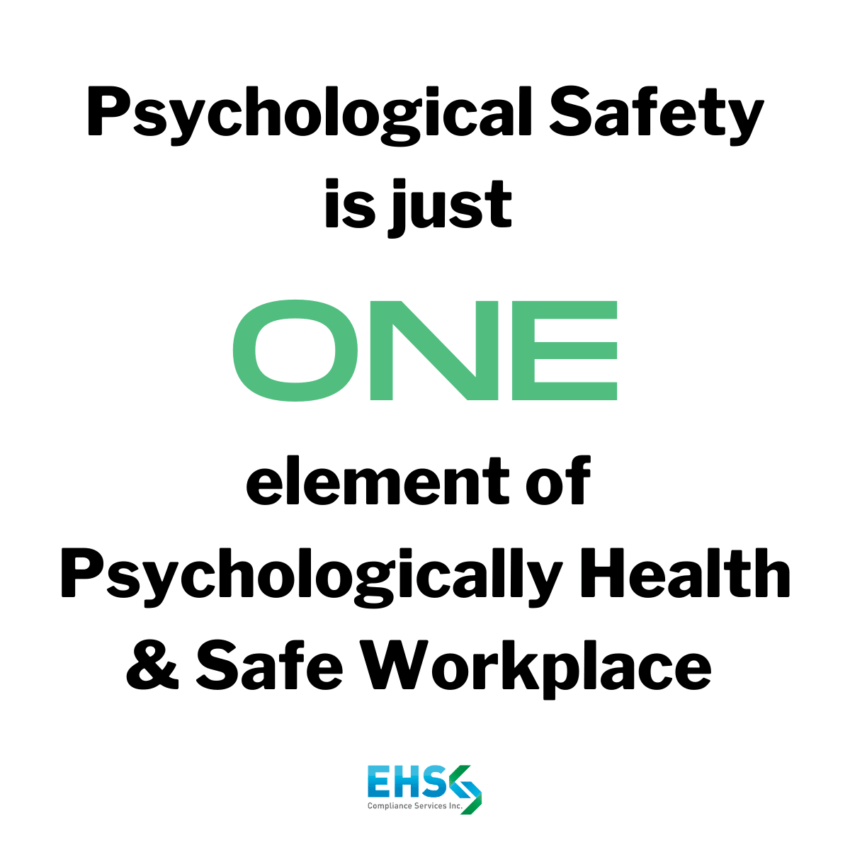
Psychological Safety ≠ Psychological Health and Safety: Why the Distinction Matters
In recent years, psychological safety has become a buzzword in leadership circles, team development, and workplace culture. But as important as it is, psychological safety is just one piece of a much larger puzzle. To truly protect and promote worker well-being, we must also understand and implement psychological health and safety (PHS). Understanding the Difference…
Is Your Organization Ready for Psychosocial Risk Management?
Psychosocial hazards are increasingly recognized as critical threats to employee well-being and organizational performance. But managing these risks effectively requires more than awareness. It demands a structured, strategic approach rooted in both science and organizational context. That’s where the 5i Psychological Health and Safety® (5iPHS®) Methodology comes in. Why Readiness Matters Recent research published in…
From Awareness to Action: Training Your Workforce for Psychological Health and Safety
In today’s dynamic work environment, poor mental health outcomes are increasingly recognized as the result of unaddressed psychosocial risks—such as high job demands, low autonomy, and inadequate support. These risks are not just harmful; they’re preventable. That’s why building workforce competence to recognize and respond to these hazards is no longer optional—it’s a strategic imperative….
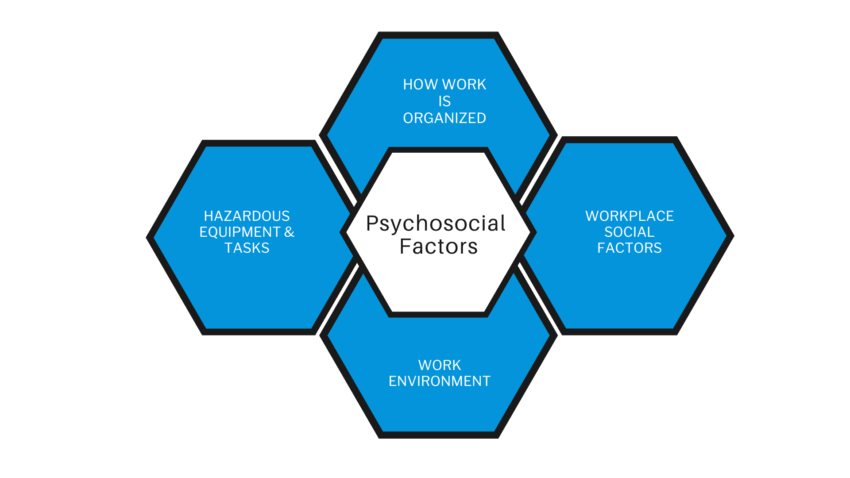
What Are Psychosocial Risk Factors?
Workplace safety extends beyond physical hazards of the workplace – while easy to see they are only a portion of the safety picture. Safety extends to encompass psychological factors that impact well-being of workers. Several standards and regulations have address psychosocial risk factors including ISO 45003, Canadian and Australian regulation which provide critical guidelines for…
Who Benefits Most from the 5i Psychological Health and Safety® Methodology?
In today’s complex industrial landscape, organizations are increasingly recognizing that psychological health and safety is not a “nice-to-have”—it’s a business imperative. The 5i Psychological Health and Safety® (5i PHSTM) Methodology, developed by EHS Compliance Services Inc. (EHSCSI), offers a structured, ISO-aligned framework to help organizations proactively manage psychosocial risks and foster a culture of well-being. But…
What is the 5i Psychological Health and Safety® Methodology?
The 5i Psychological Health and Safety® (5i PHSTM)is a proprietary methodology developed by EHS Compliance Services Inc. (EHSCSI) to help organizations systematically reduce the risk of psychological harm in the workplace. Rooted in the Plan-Do-Check-Act cycle that underpins international standards like ISO 14001 and ISO 45001, the 5i PHSTM Methodology provides a structured, holistic approach…
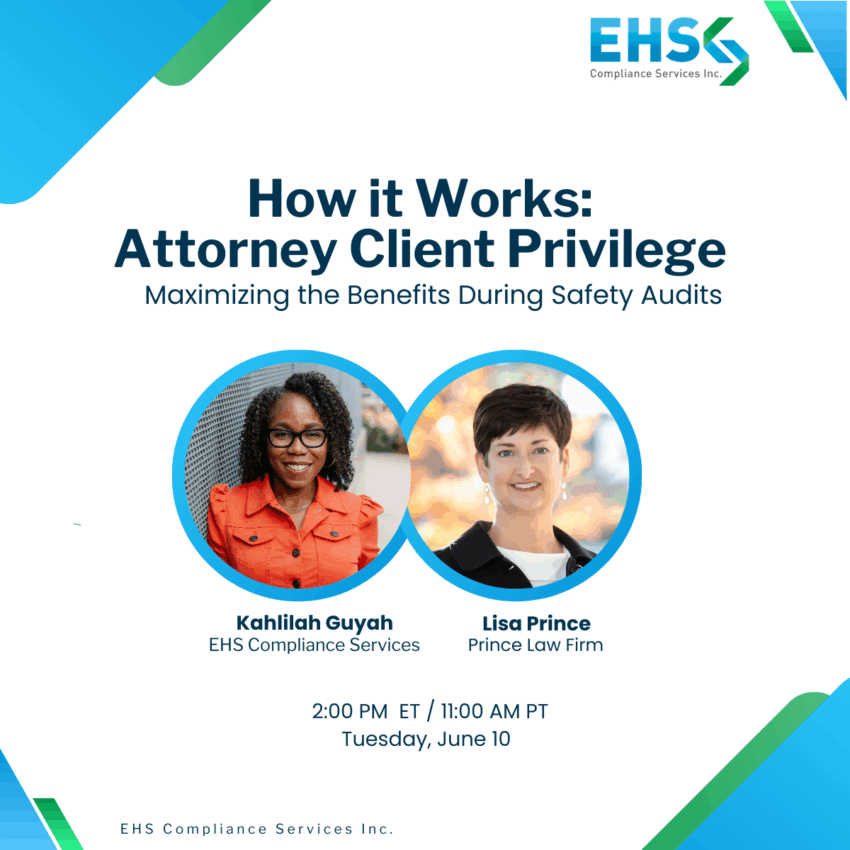
How Attorney-Client Privilege Can Protect Your EHS Audits
In today’s high-stakes regulatory environment, EHS audits are more than just checklists—they’re strategic tools for risk management, compliance assurance, and corporate integrity. But what happens when the findings of those audits could expose your organization to legal liability? That’s where attorney-client privilege enters the conversation—and where many EHS leaders find themselves on uncertain ground. Why…
It’s Time to Build a Workplace That Helps, Not Hurts
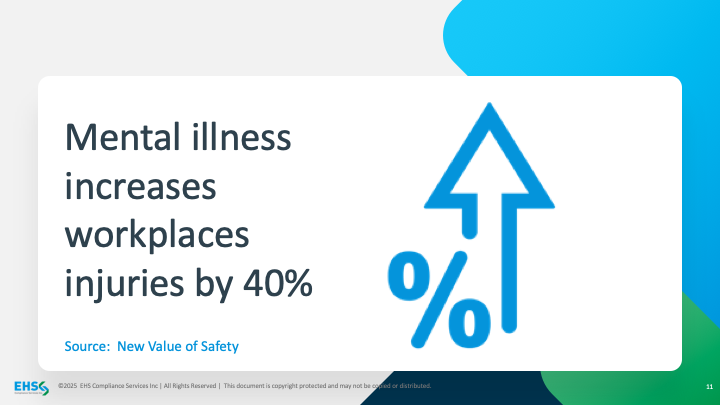
A recent NSC survey of 1,500 working adults found the average rate of injury increased from 12% for workers with no clinically significant symptoms of depression to 53% amongst those with severe depression; a similar relationship was found with anxiety symptoms.