
Most organizations believe they have a clear understanding of EHS risks, but in reality, that view often varies across sites, functions, and leadership teams. This is where EHS risk management begins to break down. When EHS operates in silos, risk doesn’t disappear—it becomes fragmented, repeated, and harder to see. Embedding EHS into how the business operates creates a more consistent, enterprise-wide view of risk—allowing organizations to identify and control it before it turns into consequences.
Category: Risk Assessment
What the AB Specialty Case Shows About Reactive Chemical Hazards
Every day in chemical operations, risk is shaped by small decisions. A mislabeled container. A substituted material. A step performed out of sequence. When hazard information is unclear or not visible at the moment of work, those small decisions can combine into catastrophic outcomes.
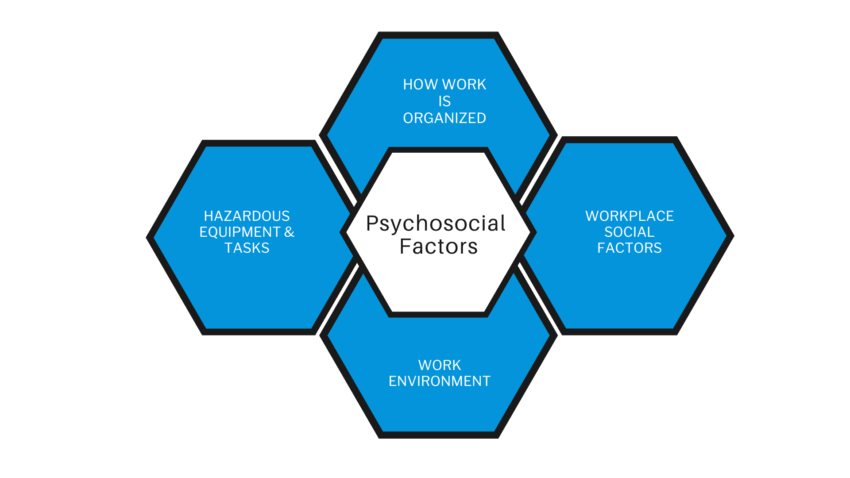
What Are Psychosocial Risk Factors?
Workplace safety extends beyond physical hazards of the workplace – while easy to see they are only a portion of the safety picture. Safety extends to encompass psychological factors that impact well-being of workers. Several standards and regulations have address psychosocial risk factors including ISO 45003, Canadian and Australian regulation which provide critical guidelines for…

What is the 5i Psychological Health and Safety® Methodology?
The 5i Psychological Health and Safety® (5i PHSTM)is a proprietary methodology developed by EHS Compliance Services Inc. (EHSCSI) to help organizations systematically reduce the risk of psychological harm in the workplace. Rooted in the Plan-Do-Check-Act cycle that underpins international standards like ISO 14001 and ISO 45001, the 5i PHSTM Methodology provides a structured, holistic approach…
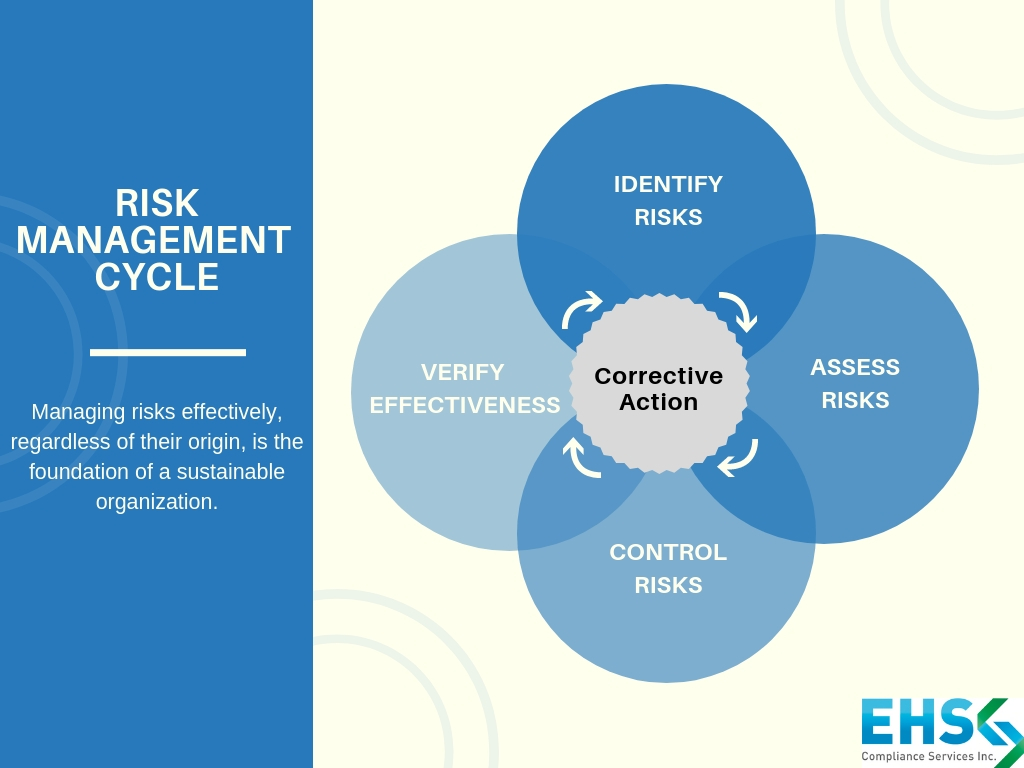
Sustainable Companies Think Beyond the Environment
When I was employed by Johnson and Johnson over a decade ago, sustainability became one of the focus areas; but, at that time, sustainability was primarily environmental stewardship of manufactured products and ensuring proper we management throughout their life cycles. The idea of sustainability has morphed into a term that includes not only the life…

Air Pollution Linked to Autism
A newly released study links exposure to fine particles found in vehicle exhausts, industrial emissions and other sources of outdoor pollution to increased risk of children developing autism spectrum disorder (ASD) by up to 78%. Associate Professor Yuming Guo of Monash University, where the study was conducted, was quoted as saying, “The serious health effects…