
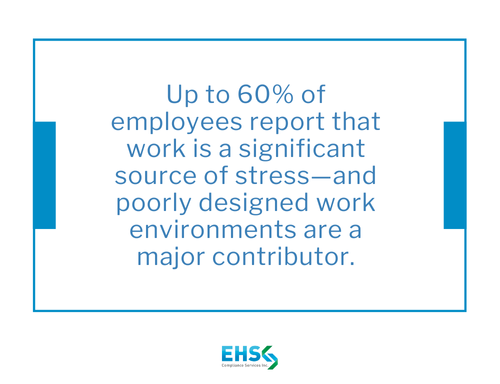
Psychosocial hazards are increasingly recognized as critical threats to employee well-being and organizational performance. But managing these risks effectively requires more than awareness. It demands a structured, strategic approach rooted in both science and organizational context.
That’s where the 5i Psychological Health and Safety® (5iPHS®) Methodology comes in.
Why Readiness Matters
Recent research published in Safety Science explored how six organizations implemented the ISO 45003 standard for psychological health and safety. The study found that organizations with higher readiness—measured by leadership support, cross-functional collaboration, and clarity of purpose—were far more successful in developing tailored, evidence-informed plans.
Organizations that lacked readiness struggled with overwhelm, unclear roles, and inconsistent participation. The takeaway? Readiness is the foundation for effective psychosocial risk management.
What Readiness Looks Like
Readiness isn’t just about having a policy on paper—it’s about having the right people, systems, and mindset in place. Organizations that were most successful shared several key traits:
- Leadership Engagement: Senior leaders were visibly committed to psychological health and safety.
- Cross-Functional Collaboration: Human Resources (HR), Occupational Health & safety (OH&S), and wellbeing teams worked together to identify and address psychosocial risks.
- Clarity and Structure: Teams understood their roles, had a clear strategy, and followed a structured process.
- Employee-Centered Culture: Workers felt their psychological well-being was valued and protected.
Organizations that lacked these elements often struggled with overwhelm, unclear responsibilities, and stalled progress. That’s why our readiness assessment is designed to help you evaluate these critical factors and guide your next steps using the 5iPHS® framework.
What Is the 5iPHS® Methodology?
At EHS Compliance Services, we use the ISO-aligned 5iPHS® Methodology to help organizations reduce the risk of psychological harm. It’s built on the Plan-Do-Check-Act cycle and integrates systems thinking, leadership engagement, and employee-centered strategies.
Rather than unpacking the full framework here, we invite you to explore it in detail in our foundational blog: Read: What Is the 5iPHS Methodology?
Take the First Step: Assess Your Readiness
Before you can manage psychosocial hazards, you need to know where you stand. That’s why we created the Organizational Readiness for Psychological Health & Safety Assessment—a quick, 6-question tool designed to help you identify your current strengths and gaps.
Based on your score, you’ll receive tailored recommendations aligned with the 5iPHS® methodology—whether you’re just starting out or ready to launch a full-scale initiative. By understanding your organization’s readiness and taking strategic steps through the 5iPHS® methodology, you can create a workplace where people thrive. Whether you’re just beginning or refining your approach, the journey starts with awareness—and the next step is yours to take.