The Risks You Don’t See Are the Ones That Cost You Most
Posted on
Most EHS audits focus on compliance, but the most dangerous risks? They’re the ones that quietly jeopardize your people, operations, and brand—without ever triggering a citation.
In our recent multi-site assessments, we found consistent patterns of overlooked hazards that are legal non-compliances and increase risks to worker injury, illness and environmental impact to the surrounding community.
What You’re Not Catching—But Should Be
Electrical Safety + LOTO: Two Systems. One Weak Link.
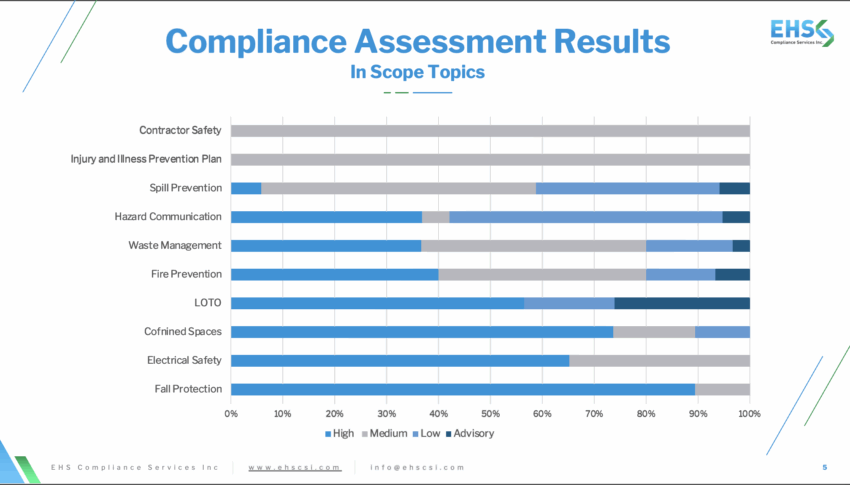
Across sites, we found outdated arc flash assessments, missing lockout/tagout procedures, and unclear roles around electrical worker qualification. These these oversights often result in injuries and major liabilities.
Translation for your team: If your electrical safety and LOTO processes live in separate silos, your risk isn’t divided—it’s multiplied.
Fall Protection: The Program Gap with 6-Foot Stakes
Some sites had full fall protection plans, others lacked basic safeguards including swing gates or guardrails. In many cases, personal fall protection was used without documentation, training, or inspection.
Result: Inconsistent protection creates confusion, increases liability, and puts lives at risk—especially in high-turnover environments.
Confined Spaces. Unconfined Risk.
We found unidentified confined spaces, missing entry procedures, missing training records, and unclear emergency plans. These gaps mean workers and contractors can enter dangerous work areas without awareness and the required emergency response plans.
Bottom line: It only takes one entry to create a life-threatening situation—or a high-profile investigation.
Fire Prevention: Hazards Hiding in Plain Sight
From blocked extinguishers to combustible materials near ignition sources, fire hazards were common. We saw lithium-ion battery rooms without proper signage and hot work performed without permits or pre-job inspections. Just as critical, many sites failed to complete combustible dust assessments in areas where these dusts are generated posing fire and explosion hazards.
These risks often go unnoticed in day-to-day operations, but can escalate quickly into fire, explosion, or regulatory action.
EHS—But Missing the “E”
Unmarked chemical containers, unknown generator status, missing accumulation dates, and incomplete training were common hazardous waste findings. We also saw confusion around key EPA reporting requirements—like Biennial Reports, Tier II, and the Toxic Release Inventory—as well as outdated or missing SPCC plans.
A larger pattern emerged: too often, environmental compliance is lumped in with OSHA, causing EPA obligations to be overlooked or misunderstood by teams focused solely on safety.
What the data tells us: High risk findings showed up across sites, they weren’t isolated. Not surprisingly the highest risk were noted in fall protection, electrical safety, confined spaces and lockout/tagout. We worked through a risk based mitigation strategy with our client to close these gaps.
2026 Is Closer Than You Think: Turn Insight Into Action
As you plan for 2026, similar findings may be present at your organization and they are more than EHS gaps, they’re a roadmap for smarter decisions. Use them strategically to align investments with real risk, and strengthen collaboration across safety, operations, and environmental teams.
Ready to see what risks we uncover? Let’s schedule your next EHS compliance and risk audit today! Learn more here!