
What the Loy-Lange Case Reveals About Aging Assets, Controlling Drift, and Hidden Risks
In April 2017, the Loy-Lange Box Company in St. Louis Missouri experienced a catastrophic steam‑system pressure vessel rupture when a deteriorated steam condensate storage tank failed, violently launching the 2,000‑pound vessel hundreds of feet from the facility. Post-incident investigations concluded that long standing mechanical integrity deficicienes, aging infrastructure and deteriorating equipment conditions had existed long before the failure, quietly creating an unsafe operating state.
This case is not simply about a failed condensate storage tank. It shows what happens when mechanical integrity programs lose alignment with real-world conditions and why EHS Excellence is crucial to prevent that drift before it becomes catastrophic.
The Real Breakdown: Loss of Risk Visibility
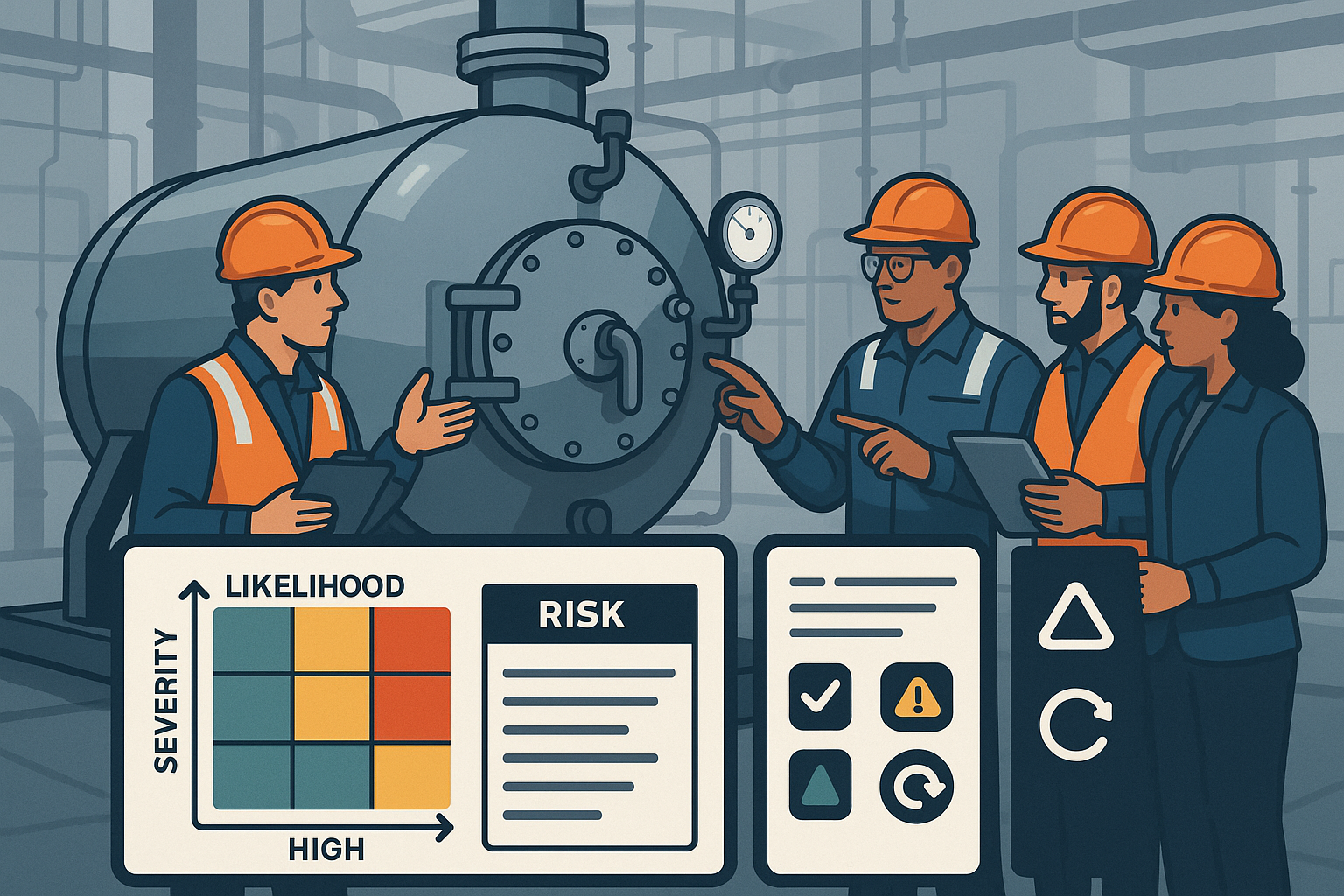
At the heart of this event was a breakdown in risk assessment discipline, a foundational element of EHS Excellence.
Effective risk assessment does not ask, “Has this failed before?” It asks, “Given today’s conditions, how close are we to failure?”
As equipment ages, corrosion progresses, and operating demands change, safeguards can quietly weaken. Without a structured, repeatable way to detect that drift, organizations operate under false confidence, believing controls are intact when they are not.
The Loy-Lang case illustrates what EHS Excellence is designed to address: Identifying emerging risk before it becomes normalized.
Why EHS Excellence Elevates Mechanical Integrity
Mechanical integrity is not created by maintenance schedules alone. It requires continuous, risk-based insight into whether assets are performing as intended today.
EHS Excellence strengthens mechanical integrity by emphasizing leading indicators that expose deterioration early, including:
- Inspection quality, not inspection frequency
- Rate of change in corrosion, vibration, or temperature, not just threshold exceedance
- Timeliness of critical maintenance, especially deferrals on high-risk systems
- Field verification of interlocks, safeguards, and engineering controls
When these indicators trend negatively, they signal increasing exposure long before a rupture, release, or injury occurs.
The Limits of Lagging Indicators
The Loy-Lange failure was not predicted by recent shutdown counts, historical failure data, inspections or regulatory citation trends. Those lagging indicators look backward, and by the time they move, the risk has already materialized.
EHS Excellence does not discard lagging indicators. It repositions them:
- Lagging indicators support learning and accountability
- Leading indicators enable real-time decision-making and prioritization
This balance is essential for managing aging infrastructure, equipment and machinery safely.
Practical Risk-Based Indicators That Matter
EHS Excellence focuses on a small set of meaningful measures that clearly answer one question: Is risk increasing or decreasing right now?
Examples include:
- Closure rate of meaningful inspection findings
- Trending corrosion or vibration rates on critical assets
- Preventive maintenance adherence for high-risk systems
- Walkthrough and safeguard verification outcomes
- Near-miss reports linked to equipment performance
These indicators give leaders early warning, not post-incident explanations.
Where EHS Excellence Makes the Difference
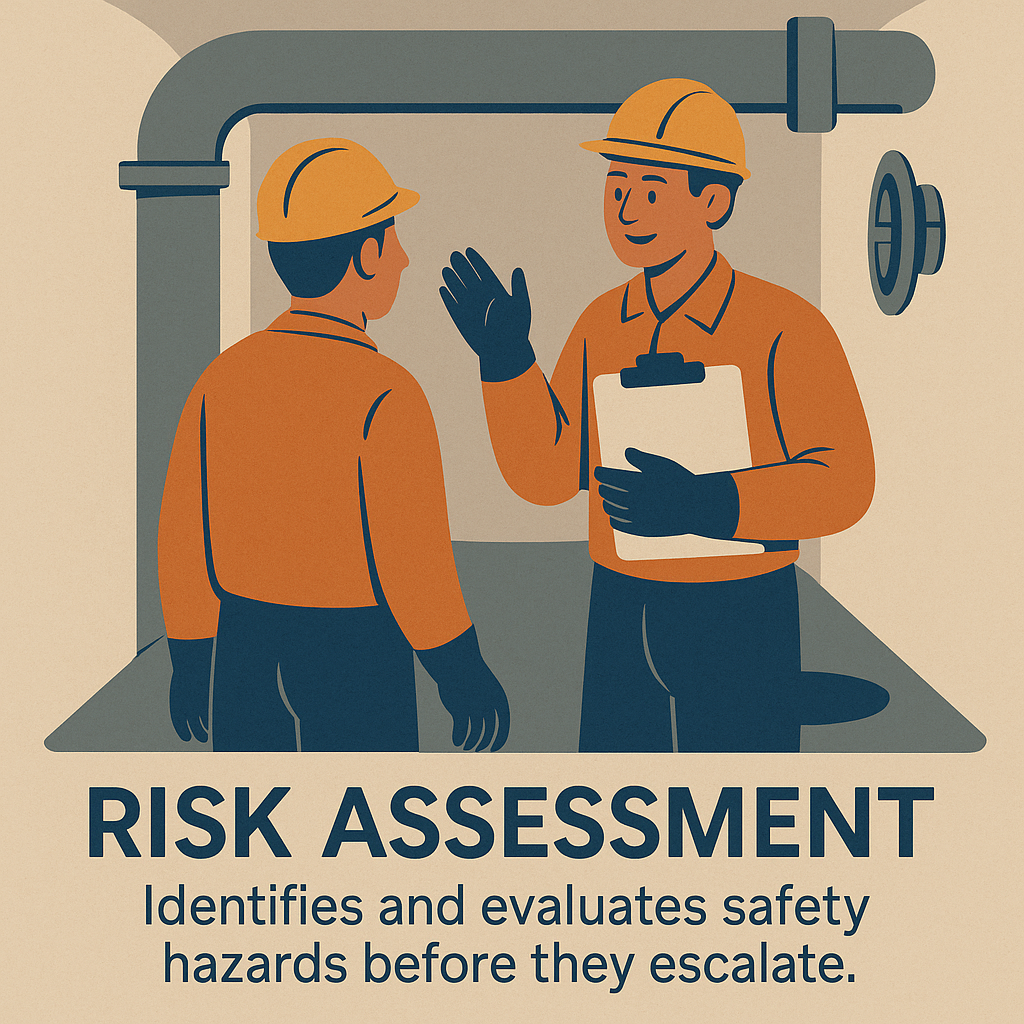
This case reinforces a hard truth: Assuming equipment is safe because it has not failed yet is not risk management.
EHS Excellence embeds risk assessment, field verification, and audits into everyday operations, ensuring that mechanical integrity programs reflect actual conditions, not just documented intent.
For organizations working to strengthen this capability, EHS Compliance Services Inc. (EHSCSI) supports EHS Excellence through practical, operations-focused Risk Assessments and Audits designed to surface real vulnerabilities before they become incidents.
Because excellence in EHS is not proven after a failure, It is proven by the failures that never happen.