
In What is Hazardous Waste? I talked about properly identifying hazardous waste by asking 10 key questions. Now that you have tools to identify hazardous wastes what are the next steps in managing hazardous waste in compliance with federal regulatory requirements? The RCRA regulations applicable to a particular business are based upon the amount of hazardous waste generated on a monthly basis. There are three classifications of generators:
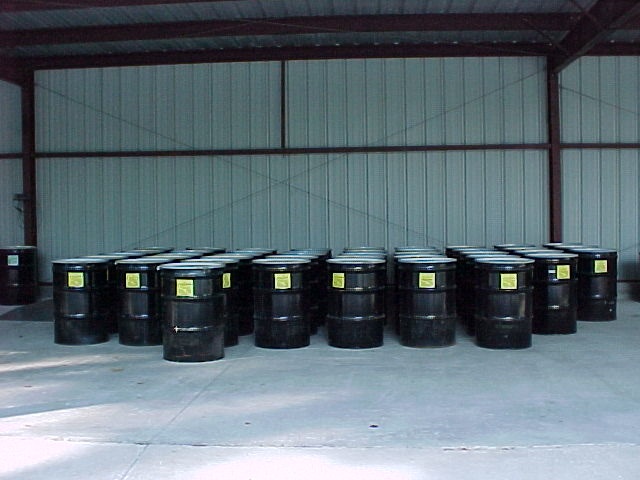
- Conditionally Exempt Small Quantity Generators (CSQG) generate less than 100 kilograms (220 lbs) of hazardous waste or 1 kg or less of acutely hazardous waste in one calendar month. With such a small amount of waste generated the EPA and many state environmental protection programs are much less stringent with the requirements for these companies.
- Small Quantity Generators (SQG) generate between 100 kg (220 lbs) and 1000 kg (2200 lbs) monthly. The regulatory requirements for SQGs are greater than those for CSQGs, as SQGs pose a greater risk for impacts to the environment based on the greater volume of waste. The regulatory requirements are still less stringent than Large Quantity Generators.
- Large Quantity Generators (LQG) have monthly hazardous generation of greater than 1000 kg (2200 lbs) or 1 kg of acutely hazardous waste. They are required to follow the most stringent set of regulations.
Generator status can change monthly based on the amount of hazardous waste generated; therefore, it is important to track the amount of the waste generated. Be reminded that only waste that is classified as hazardous (either by characteristic or listing see What is Hazardous Waste? for further details), should be counted toward generator status. Generator status does not apply to non-hazardous process waste that may be generated at the facility, although these wastes may not be acceptable for disposal into the sanitary sewer system (i.e. sink, floor drain, toilet). A number of clients with whom I have worked initially disposed of non-hazardous process waste as hazardous. This misclassification is not only expensive (as hazardous waste can cost upwards of $275 per 55 gallon drum for disposal); but may increase the company’s regulatory burden as this misclassified hazardous waste will count toward generator status.
One of the first things an SQG or LQG must do is obtain an EPA Identification Number; this is a unique identifier associated with the waste generator. An EPA Identification Number can be obtained by submitting the Notification of Regulated Waste Activity Form. It is imperative that you review the state specific requirements for hazardous waste generation, as they may be more stringent than or differ slightly from the federal requirements. In fact, some states have generator quantities that differ from the federal standards.
Additional requirements for RCRA include compliance with onsite accumulation and storage time limitations as well as personnel training requirements. I will talk about these later in this series.
What type of generator are you? Have you determined effective ways to maintain an inventory of waste generated? If so share your best practices or leave a comment here.
2 thoughts on “The Devil is in the Details…What Type of Generator are You?”
Comments are closed.