
Menu
EHS Compliance Services
  • Services
  • Clients
  • Blog
  • Contact
EHS Compliance Services

Are You Shipping Batteries?

Posted on September 12, 2012December 10, 2017
Hazmat, dangerous good, eh&s consultant in south florida
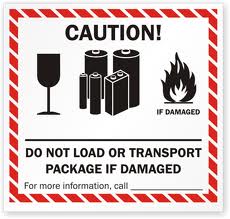
Label required for lithium battery shipments via aircraft.

Based on my experience, one of the largest areas of non-compliance is the transportation of hazardous materials (hazmat).    Many times logistics or warehouse personnel are unaware that hazardous materials are required to be packaged, unloaded, loaded, documented and shipped in a manner that is compliant with the Department of Transportation (DOT), the International Air Transportation (IATA) and International Maritime Organization (IMO) or other regulating body.  The buzz about hazmat transportation became heightened in 1996 when improperly packaged oxygen generators loaded on a passenger aircraft resulted in the crash of a ValuJet 592.

Hazmat transportation has the potential to affect many companies because many items that many would not consider chemicals are hazardous when transported. One of the hazardous materials often overlooked are batteries, specifically lithium batteries found in most laptop computers and other portable digital equipment.  How many times do employees simply throw battery containing equipment or batteries themselves into a cardboard box and shipped them?  Over the past several years there have been many incidents involving the transportation of lithium batteries.  In fact, FAA has documented 121 incidents since March of 1991 resulting from lithium batteries on aircraft.  While these incidents were limited to air transportation, they highlight the concerns associated with improper transportation of hazardous materials and the importance of ensuring the appropriate personnel are knowledgeable about these requirements.  Keep in mind that the applicable regulations vary based on the mode of transportation, the amount of hazmat being shipped as well as the shipping configuration of the material.  During a recent project where I created procedures for shipping lithium batteries I used the  International Air Transportation Association (IATA) guidance document and the Dangerous Goods Regulations for the packaging and shipping requirements of lithium batteries.   These regulations are updated annually and there are changes that will be incorporated into the 2013 edition that will be released on January 1.

Do you have other resources on or questions about on hazmat transportation? If so join the conversation by making a comment below.

1 thought on “Are You Shipping Batteries?”

  1. Pingback: Hazmat Transportation Training, Do You Need it? | EHS Compliance Times

Comments are closed.

Recent Posts

  • Why EHS Is a Powerful Strategic Advantage?
  • EHS Excellence: Protecting People and Communities Beyond Compliance
  • ISO 14001:2026: Powerful New Standards—Is Your EMS Ready?
  • 840,000 Deaths a Year — The Workplace Risk Most Companies Are Missing
  • Collaboration: Built With You, Not For You

Archives

  • May 2026
  • April 2026
  • March 2026
  • February 2026
  • January 2026
  • December 2025
  • November 2025
  • October 2025
  • August 2025
  • July 2025
  • June 2025
  • May 2025
  • April 2025
  • January 2020
  • October 2019
  • March 2019
  • February 2019
  • December 2018
  • November 2018
  • October 2018
  • June 2018
  • January 2017
  • December 2012
  • November 2012
  • October 2012
  • September 2012
  • August 2012
  • July 2012
  • June 2012

Tag Cloud

5I Psychological Health & Safety audits cal/osha compliance Consulting DOT eh&S compliance consultant in South Florida eh&s consultant in south florida EHS ehs compliance ehs consultant ehs management systems ehs professional ehs training emergency releases employee engagement environmental environmental compliance EPA EPCRA hazardous materials hazardous material transportation hazardous waste human capital iipp iso45001 Leadership LEPC OSHA PHMSA psychological health and safety psychosocial factors psychosocial risks RCRA safety SERC small quantity generators SPCC SPCC Plan Spill Prevention Control and Countermeasures sustainability Sustainability; EHS compliance training training strategies universal waste

Categories

  • Core Values
  • e-manifest
  • EHS Audits
  • EHS Compliance
  • EHS Economics
  • EHS Excellence
  • EHS Leadership
  • EHS Management
  • EHS Management Techniques
  • EHS Training
  • Hazard Assessment
  • Hazard Communications
  • Hazardous Material Transportation
  • Hazardous Materials Management
  • Hazardous Waste
  • Human Capital
  • OSHA
  • Psychological Health & Safety
  • Psychosocial Hazards
  • Psychosocial Safety
  • Regulatory Reporting
  • Resources
  • Risk Assessment
  • Risk Management
  • Safety Committees
  • Safety Culture
  • Trends
  • Value-Driven Leadership
  • Values-Drive EHS
©2026 EHS Compliance Services | Powered by SuperbThemes